2048 Game




2048 Game: The Complete Guide to Playing, Winning, and What Comes Next
A 4x4 grid, a handful of numbered tiles, and four arrow keys. That is all it takes to lose an hour of your day. The 2048 game looks simple the first time you see it, yet it keeps players coming back long after they expect to put it down. This guide explains what the game is, how to play it well, and where to go on 2048-game.org once you want something new to try.
What Is the 2048 Game?
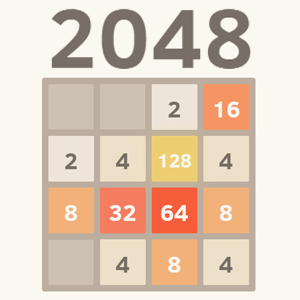
2048 is a single-player puzzle game played on a 4x4 grid. Every tile carries a number, and matching tiles combine into one tile worth double when they slide into each other. The game starts with two tiles on the board, each showing a 2 or a 4. From there, every move you make adds a new tile to an empty space, so the board fills up while you try to keep it under control.
The goal is to build a tile with the value 2048. Reaching it counts as a win, but the game does not force you to stop there. Many players keep going well past 2048 to chase a higher score, since the board keeps accepting moves as long as an open space or a matching pair remains.
The game was created by an Italian developer named Gabriele Cirulli in 2014, built over a single weekend and released as free, open-source software. It spread quickly after launch, and that original concept is the reason so many tile-merging games exist today.
How to Play 2048
The rules take a minute to learn, even though mastering the board takes much longer.
- Move the tiles. Use the arrow keys on a computer or swipe in any direction on a touchscreen. Every tile on the board slides as far as it can in the direction you choose.
- Merge matching tiles. When two tiles carrying the same number collide, they combine into a single tile holding their combined value. Two 2s become a 4, two 4s become an 8, and so on up the chain.
- Watch for new tiles. A new tile, usually a 2 and occasionally a 4, appears on an empty space after each move.
- Keep space open. The game ends when the board is full and no move produces a merge. Running out of space is the main way a round ends early.
- Aim for 2048. Reach a tile worth 2048 to win, or keep playing afterward for a higher score.
Strategy Tips That Actually Help
2048 rewards planning more than speed. A few habits separate players who reach 2048 from players who stall out around 512.
- Pick a corner and stay loyal to it. Choose one corner of the board for your highest tile and avoid moves that pull it away from that spot. This keeps your biggest tile safe while you build around it.
- Limit yourself to two directions. Many strong players rely mainly on two moves, such as left and down, and only use the other two when the board forces it. This keeps the tile order predictable.
- Build a descending chain. Line your tiles up so values decrease steadily from your anchor corner across the row or column. A clean chain merges smoothly instead of getting stuck.
- Avoid moving upward. Moving away from your anchor corner scrambles the layout you have built. Save that move for moments when there is no other option.
- Slow down as the board fills. Early moves matter less than late ones. Once the board gets crowded, pause and look for the safest merge instead of the fastest one.
Why 2048 Still Holds Up
Plenty of browser games fade after a few months. 2048 has lasted over a decade, and a few real reasons explain why.
- The rules never change. Four directions and one merging rule are easy to remember, so new players get started in seconds.
- Every round feels different. New tiles appear in random spots, so no two games play out the same way even with the same strategy.
- It runs anywhere. The game works in a browser on a phone, tablet, or computer, with no download and no account required.
- It rewards thinking ahead. Random chance plays a role, but planning consistently beats guessing over the course of a game.
More Puzzle Games to Try on 2048-Game.org
Once the classic grid feels familiar, the site hosts other puzzle games built around the same kind of quick, logic-driven play.
Bricky Blast
A cupcake-themed take on the 2048 formula. The merging rules stay the same, but the softer visuals make it a good pick for a shorter, lighter session.
Block Puzzle
A grid-filling puzzle where the challenge comes from fitting shapes into limited space instead of merging numbers. It suits players who enjoy 2048's planning side more than its math side.
SandTrix
A falling-block puzzle that adds a physics-style twist to the genre. Pieces settle and shift as they land, which changes how you plan each drop.
Blockdoku
A mix of block-fitting and sudoku-style logic. It moves slower than 2048 but rewards the same habit of thinking two or three moves ahead.
Tetris
The classic falling-block game that inspired much of the puzzle genre. Rows clear instead of tiles merging, but the core skill, thinking ahead under pressure, carries over directly from 2048.
Bubble Shooter
A slower-paced matching game where the goal is clearing groups of colored bubbles instead of merging numbers. It is a good option when you want a puzzle game without the tight time pressure.
Is 2048 Free to Play?
Yes. The game runs directly in the browser at 2048-game.org, with no purchase, no download, and no account needed to start playing. You can close the tab and come back anytime without losing progress on a new round, since each game starts fresh.
Frequently Asked Questions
Is there a time limit in 2048?
No. The game has no clock, so you can take as long as you want to plan each move.
Can I undo a move?
The classic version does not include an undo option, which is part of why planning ahead matters so much. Every move is final once you make it.
What happens after I reach 2048?
You can keep playing. The board stays active as long as moves are available, so many players continue well past the 2048 tile to chase a higher score.
Does 2048 work on mobile?
Yes. The game responds to swipes on a touchscreen, so it plays the same way on a phone or tablet as it does with arrow keys on a computer.
Is there a strategy that always wins?
No single strategy guarantees a win, since new tiles appear randomly. Corner-based planning and limiting your moves to two directions improve your odds significantly over playing at random.
Final Thoughts
2048 earns its long shelf life the honest way: simple rules, real strategy underneath them, and a board that never plays out the same way twice. Whether you are chasing your first win or trying to beat a personal best, the game keeps giving you a reason to take one more turn. Play the 2048 game now, or explore the rest of the puzzle library on 2048-game.org for something new.